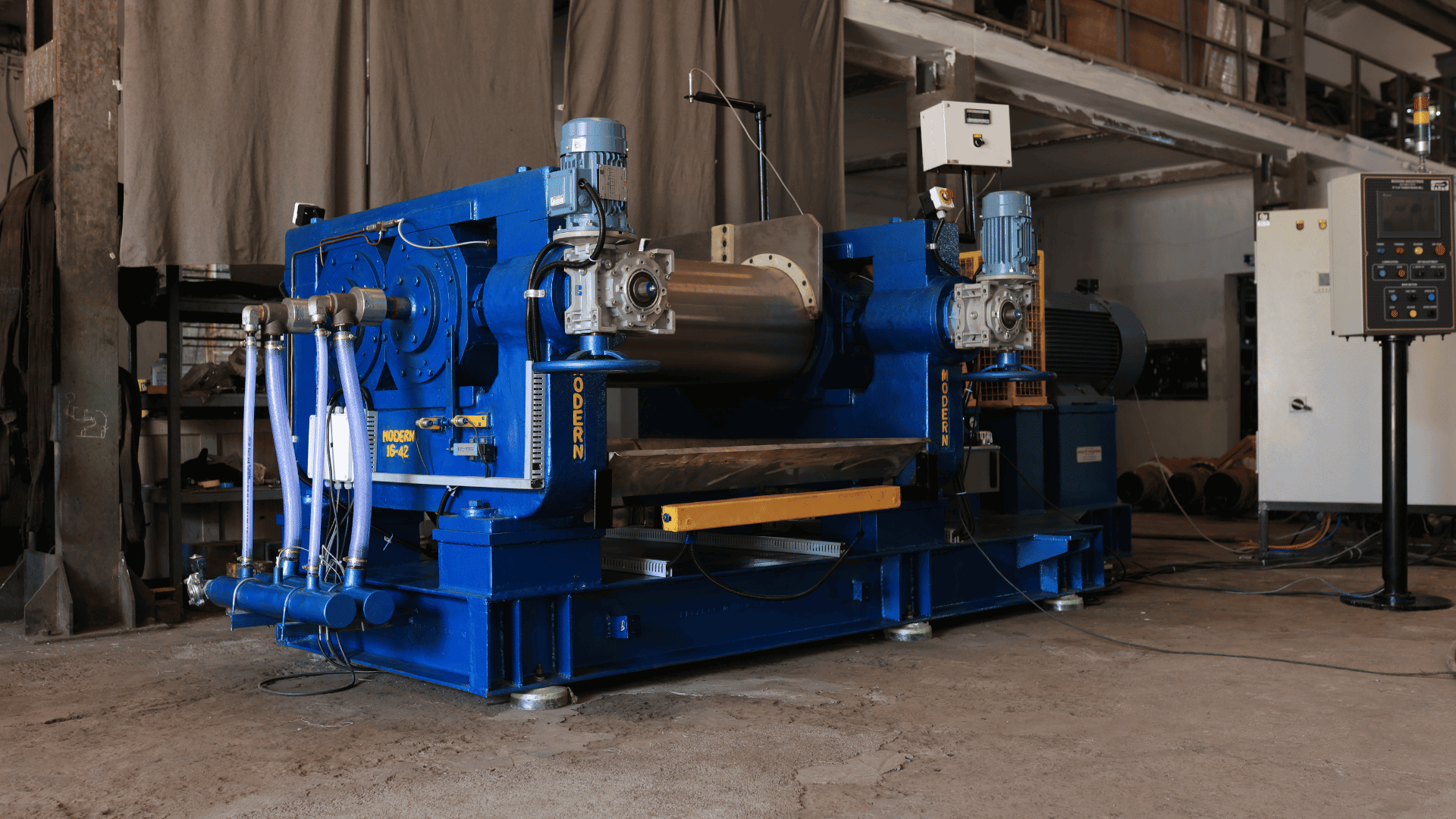
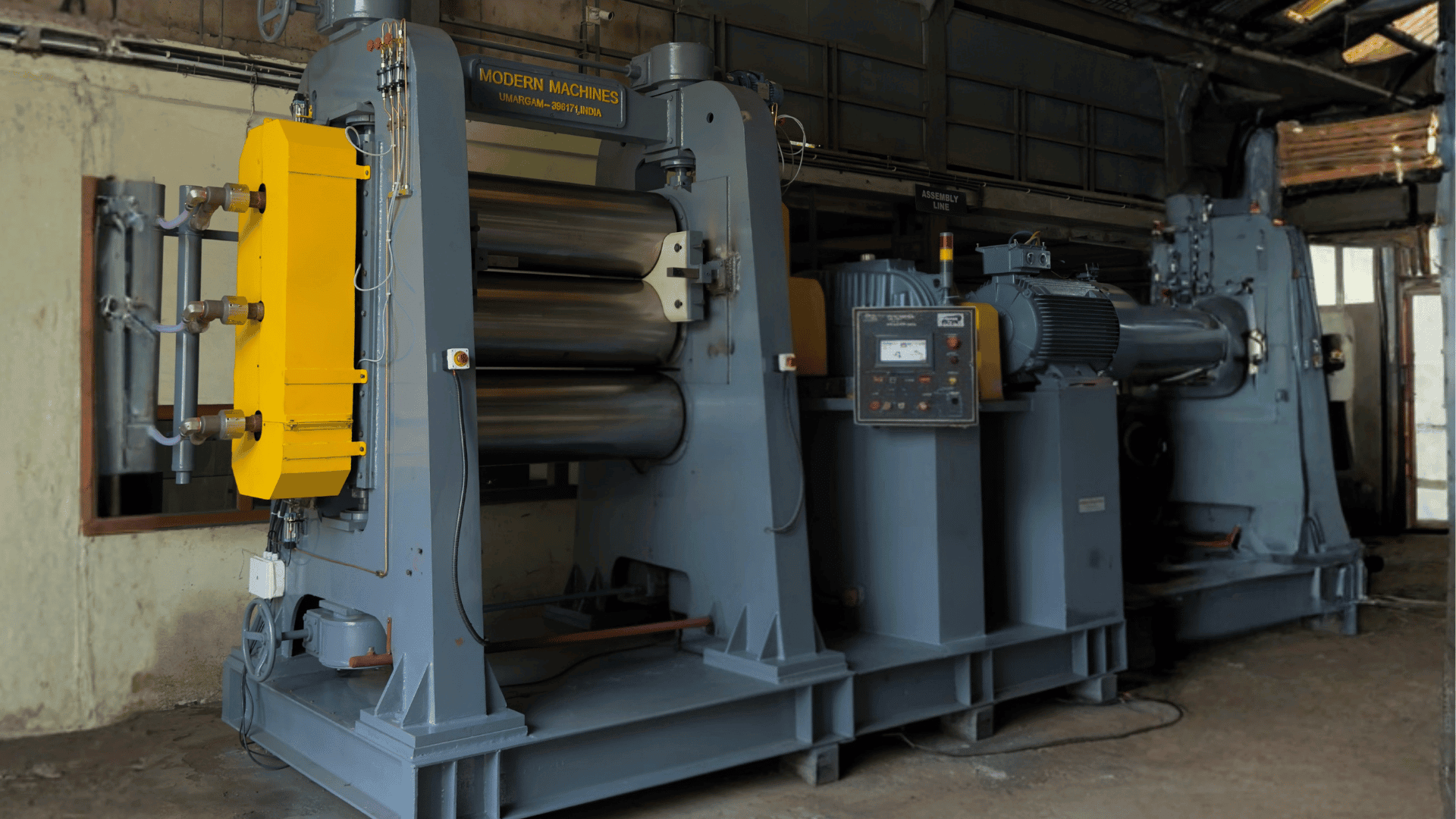
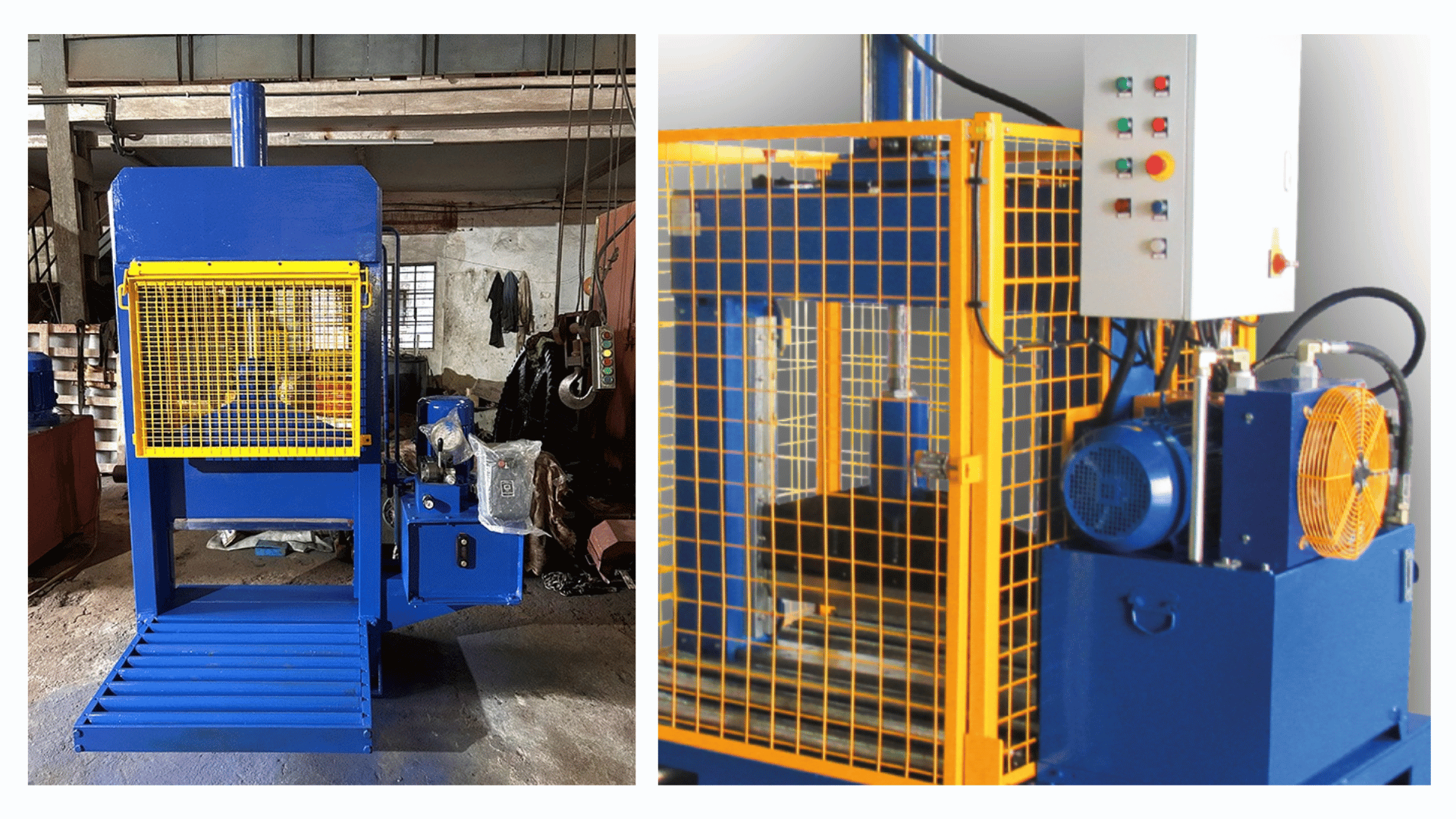
Modern Industries manufactures three types of rubber extruder machines — Hot Feed, Cold Feed, and Silicone Rubber Extruders — in screw diameters from 45mm to 200mm. Engineered for tyre tread, hose, seal, cable insulation, and medical silicone applications.
A rubber extruder is a continuous production machine that forces rubber compound through a shaped die to produce profiles, hoses, tubes, and strips. The choice between a Hot Feed, Cold Feed, or Silicone extruder depends on your compound type, required output, and application.
Modern Industries manufactures all three types at GIDC Umbergaon, Gujarat — in a range of screw diameters from 45mm to 200mm, serving rubber manufacturers across India and 19+ export countries.
Best For: Pre-heated compound — tyre tread, hose, profiles, conveyor belt
Screw Dia Range: 45mm to 200mm
L/D Ratio: 6:1
Best For: Room-temp compound — automotive seals, hose, cable insulation, window gaskets
Screw Dia Range: 45mm to 200mm
L/D Ratio: 10:1 to 16:1
Best For: HTV/RTV silicone — medical tubing, food-grade seals, automotive silicone hoses
Screw Dia Range: 45mm to 200mm
L/D Ratio: 10:1 to 12:1
The Hot Feed Extruder processes pre-warmed rubber compound fed from a mixing mill. With a short L/D ratio of 6:1, the screw performs conveying and shaping rather than plasticising. Ideal for high output production of tyre tread, rubber hose, profiles, tubes, and conveyor belt components. Available in 7 models from MI-HF-EXT-45 to MI-HF-EXT-200.
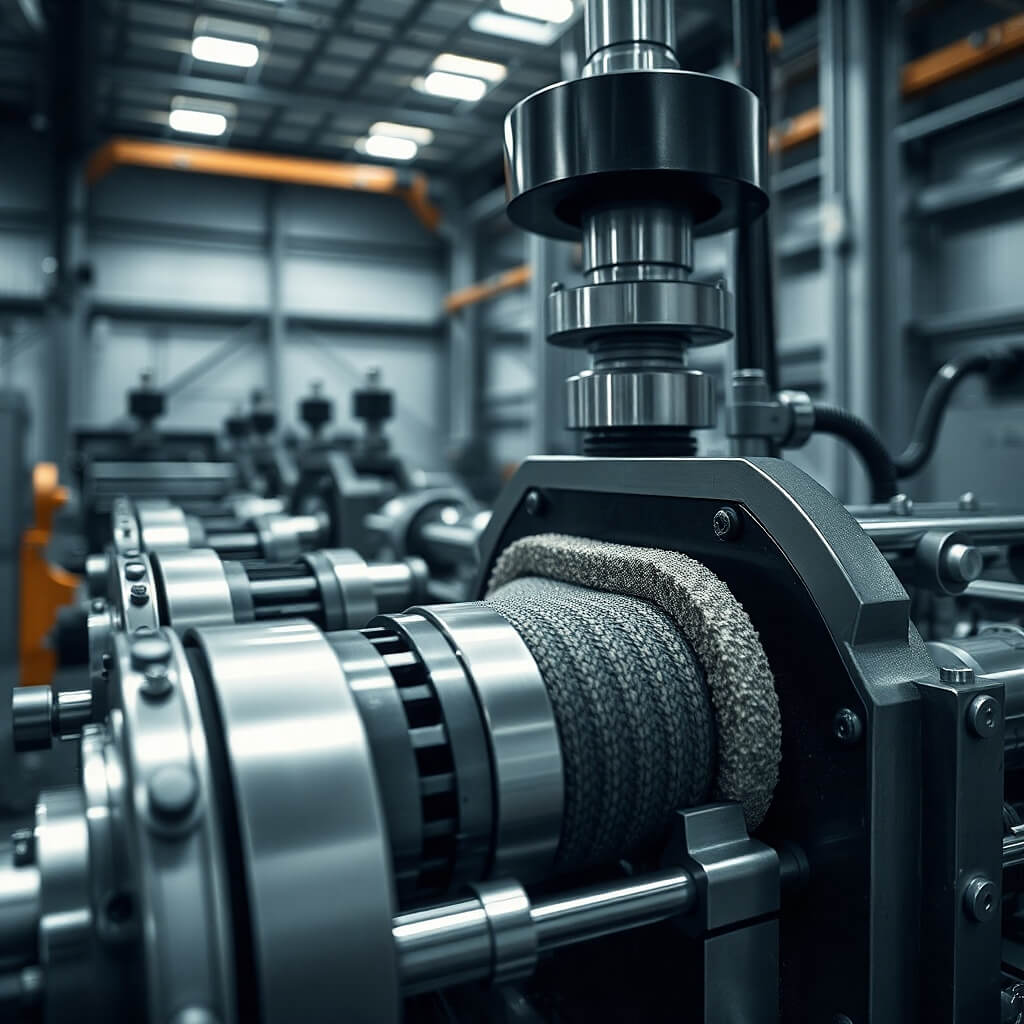
The Cold Feed Extruder processes room-temperature compound directly — the screw performs conveying, plasticising, and homogenising all in one pass. With a longer L/D ratio of 10:1 to 16:1 and TCU (Temperature Controlling Unit) temperature management on every zone, it delivers superior dimensional accuracy for automotive seals, rubber hose, cable insulation, and continuous precision profiles. Available in 7 models from MI-CF-EXT-45 to MI-CF-EXT-200.
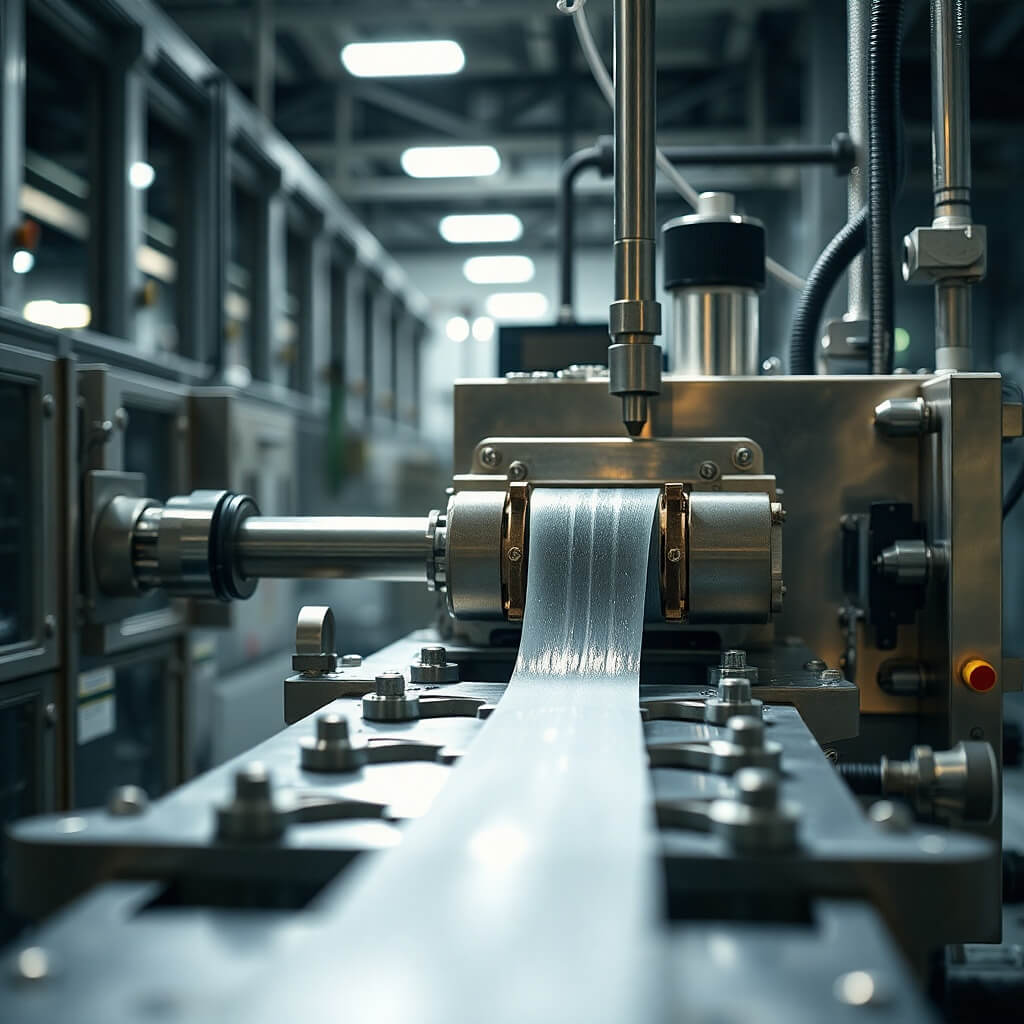
The Silicone Rubber Extruder is designed specifically for HTV (High Temperature Vulcanising) and RTV (Room Temperature Vulcanising) silicone compounds. All product-contact surfaces are stainless steel — preventing metal contamination of the silicone compound. Low-shear screw design, precision PID temperature control, and mirror-polished flow channels ensure the clean, consistent extrusion quality required for medical tubing, food-grade seals, and precision silicone profiles. Available in 6 models from MI-SE-EXT-45 to MI-SE-EXT-200.
| Parameter | Hot Feed | Cold Feed | Silicone |
|---|---|---|---|
| Compound feed | Pre-heated from mixing mill | Room temperature — direct feed | Room temperature silicone compound |
| L/D Ratio | 6:1 | 10:1 – 16:1 | 10:1 – 12:1 |
| Screw function | Conveying + shaping | Conveying + plasticising + homogenising | Low-shear conveying — prevents polymer degradation |
| Temperature zones | 2–4 zones | 2–4 zones (TCU only) | 3–6 precision zones (PID) |
| Temp control system | Electrical band heaters | TCU (Temperature Controlling Unit) | PID controlled electrical heaters |
| Screw material | Nitrided EN-41B alloy steel | Nitrided/Bimetallic alloy steel | Hardened stainless steel (polished) |
| Barrel material | Nitrided alloy steel | Bimetallic liner | Stainless steel (smooth finish) |
| Head material | Alloy steel, chrome plated | Alloy tool steel | Stainless steel (mirror polished) |
| Max production | 500–750 kg/hr (200mm model) | 2,000–2,400 kg/hr (200mm model) | 500–750 kg/hr (200mm model) |
| Best applications | Tyre tread · hose · profiles · conveyor belt | Automotive seals · hose · cable · gaskets | Medical tubing · food-grade · pharma · automotive silicone |
All Modern Industries rubber extruders use the following temperature zone structure:
| Zone | Location | Function |
|---|---|---|
| Zone 1 | Feeding Zone | Controls compound intake temperature — prevents premature melting at feed throat |
| Zone 2 | Extrusion Zone | Primary plasticising and conveying zone — main processing region |
| Zone 3+ | Additional Extrusion Zone | Progressive heating/cooling for compound consistency (count varies by model and type) |
| Zone 4 | Die Head Zone | Controls compound temperature at die entry — critical for profile dimensional accuracy |
| Zone 5 | Screw | Internal screw temperature control — prevents compound sticking and ensures uniform shear |
Natural Rubber (NR) · SBR · NBR (Nitrile) · EPDM · Butyl (IIR) · CR (Neoprene) · ECO · CSM
EPDM · NBR · CR (Neoprene) · Butyl (IIR) · Natural Rubber (NR) · SBR · Hard Compounds · Reclaim Rubber
HTV Silicone (VMQ) · RTV Silicone · Fluorosilicone (FVMQ) · LSR (with suitable design)
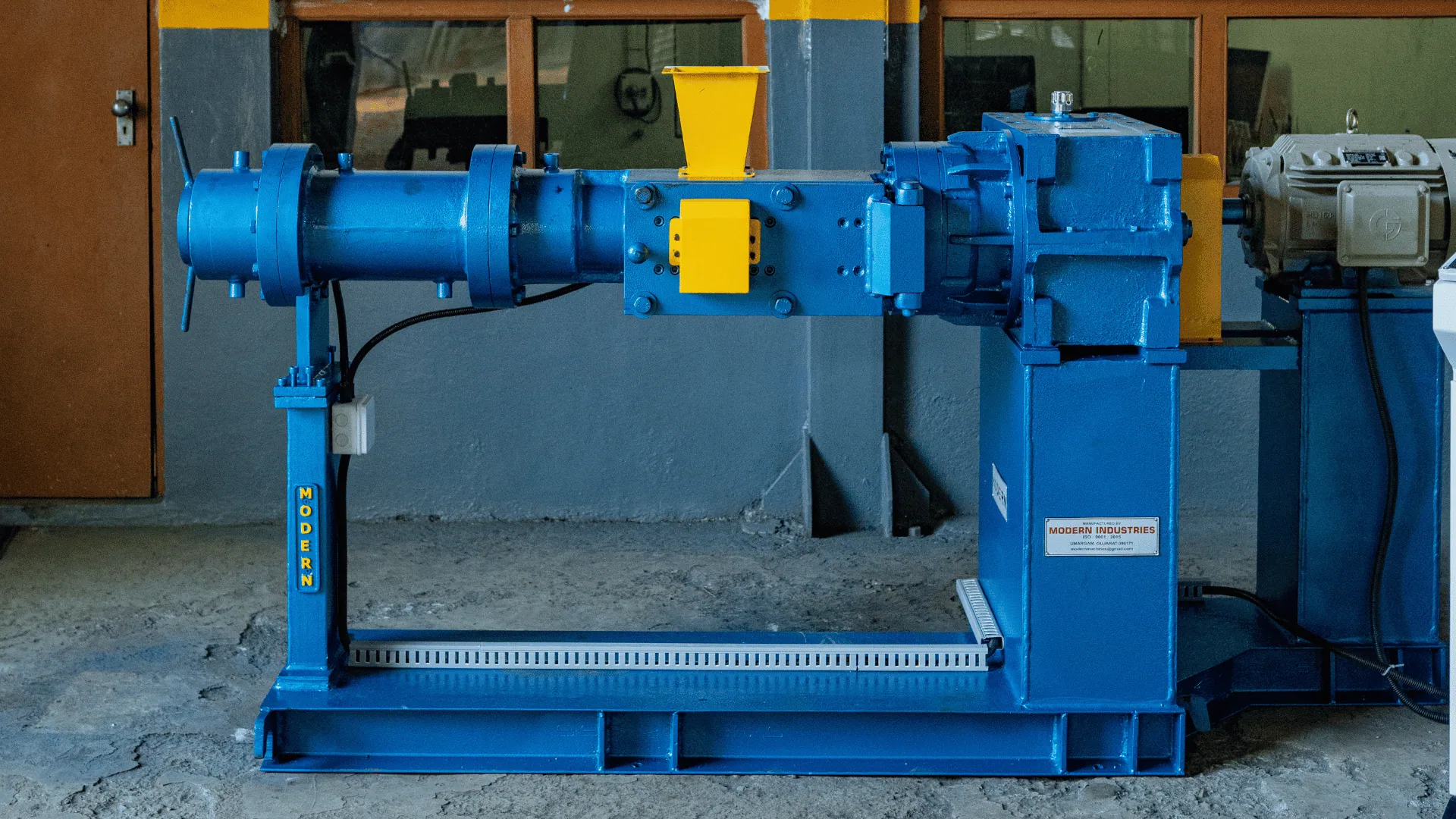
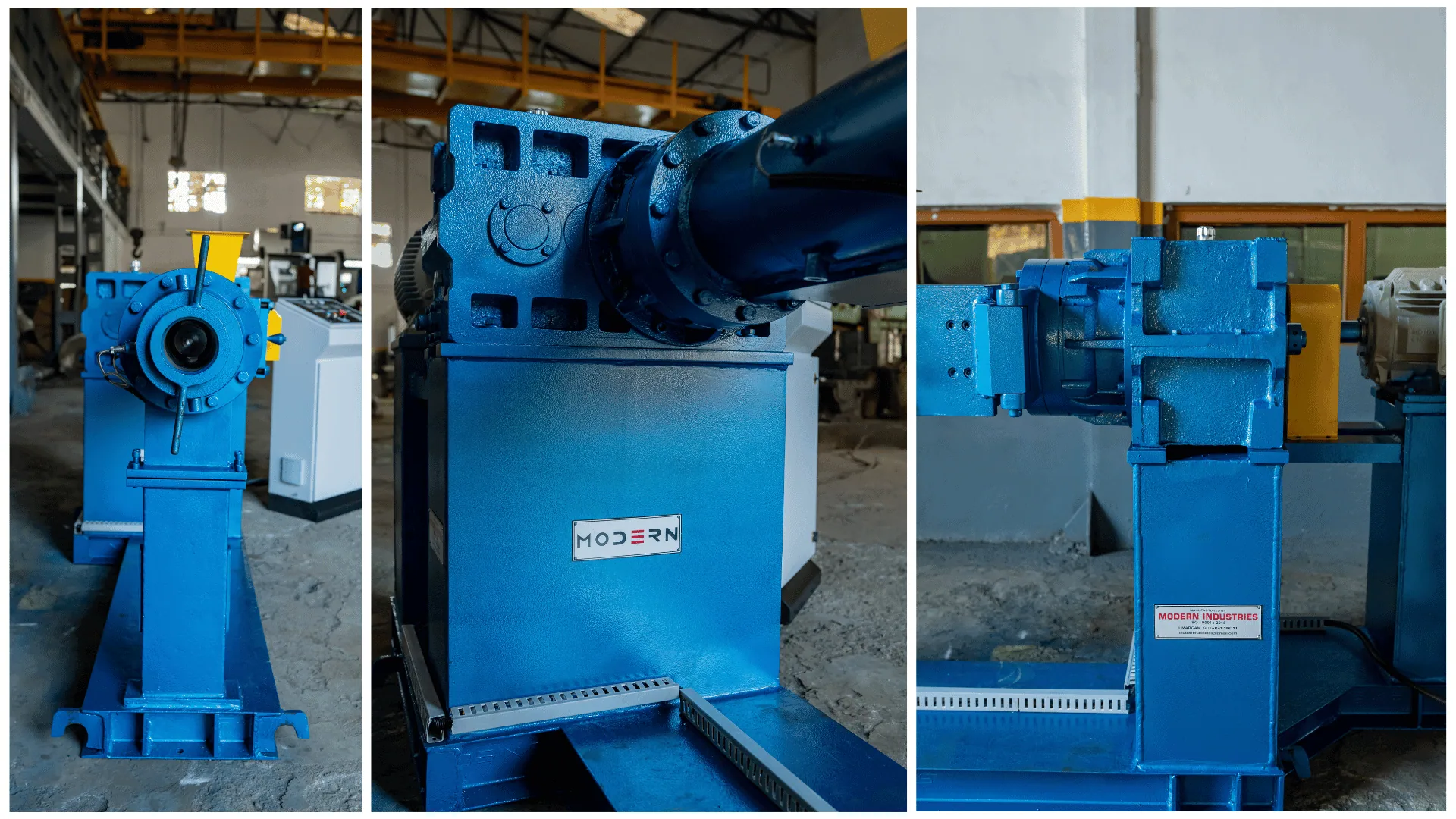
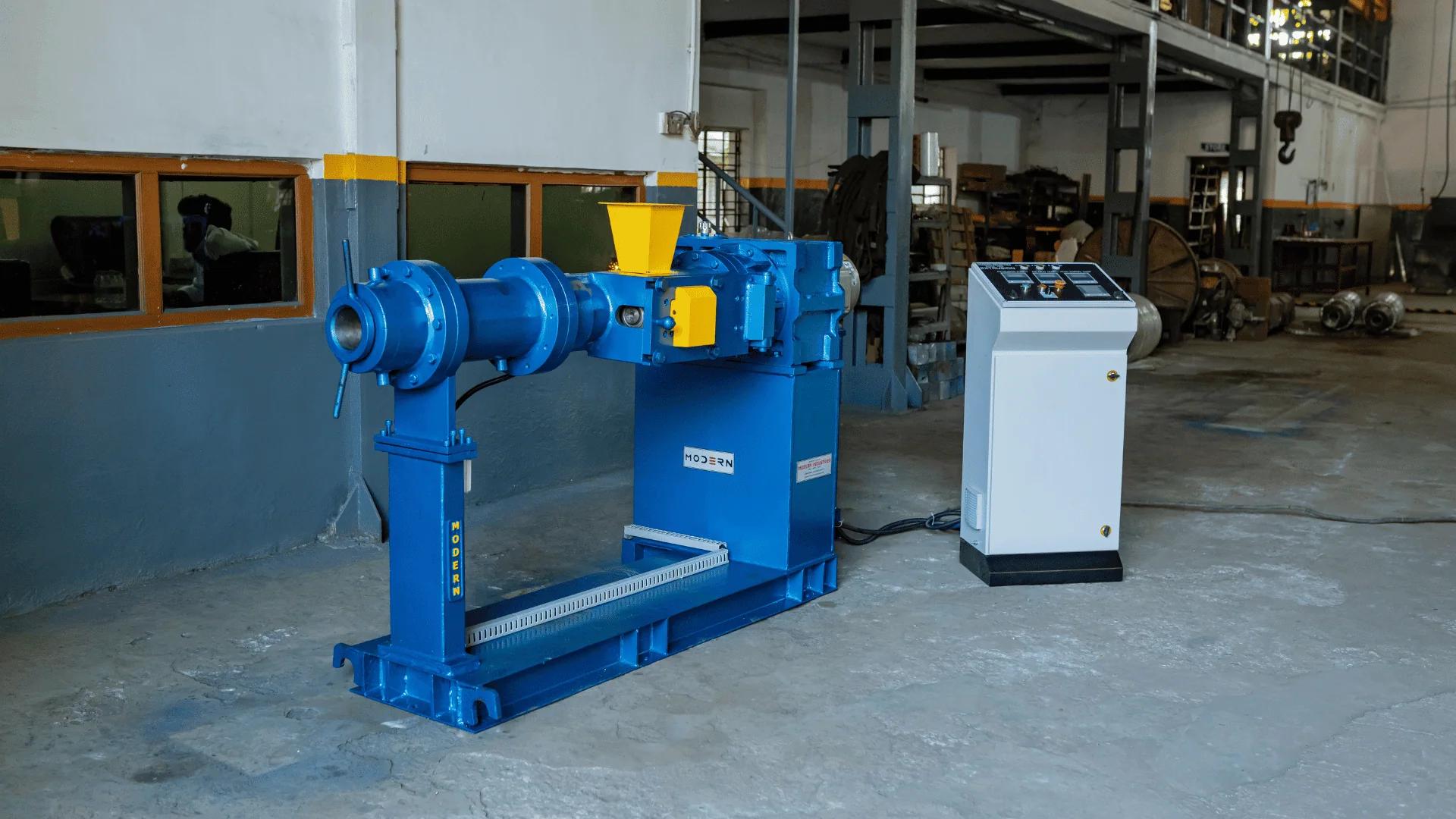
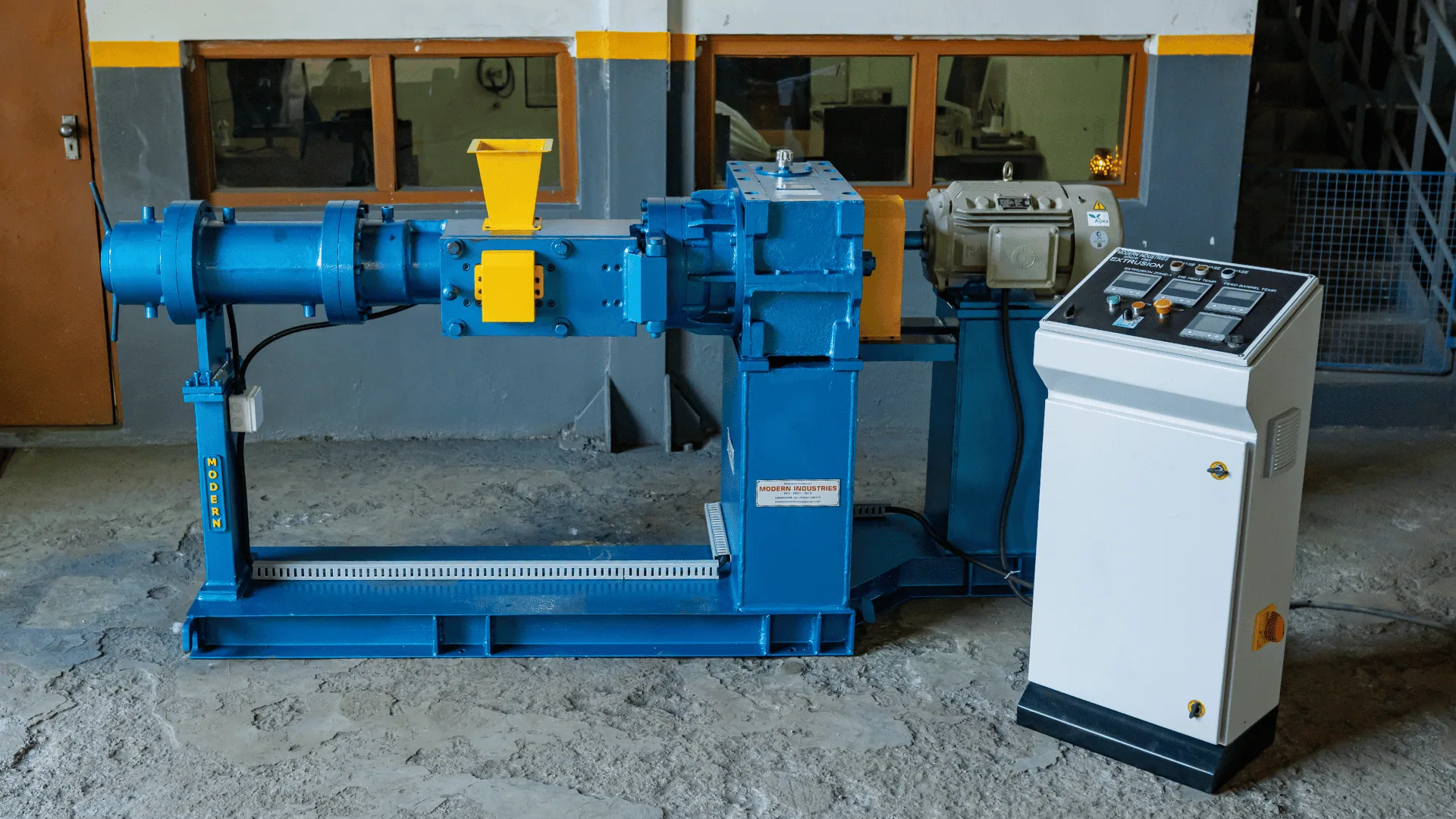
A hot feed extruder receives pre-warmed rubber compound (40–70°C) from a mixing mill and uses a short screw (L/D 6:1) to convey and shape the compound. A cold feed extruder receives compound at room temperature and uses a longer screw (L/D 10:1–16:1) with TCU temperature control to plasticise and homogenise the compound in a single pass. Cold feed offers better dimensional accuracy; hot feed offers higher output for large-section profiles.
For standard garden hose and large-section industrial hose — Hot Feed (MI-HF-EXT series, 75mm–150mm). For precision hydraulic hose, automotive hose, and small-bore tubing requiring tight dimensional tolerances — Cold Feed (MI-CF-EXT series). Contact our team with your hose OD, wall thickness, and output requirement for specific model recommendation.
Screw diameter selection depends on required output rate and profile cross-section. Small profiles and tubes (OD under 25mm): 45–55mm. Medium profiles and hose (25–75mm OD): 75–100mm. Large section profiles, tyre tread, and high-volume hose: 115–200mm. Modern Industries supplies screws from 45mm to 200mm across all three extruder types.
Silicone rubber reacts with carbon steel and picks up metal contamination from standard alloy steel screw, barrel, and die surfaces. Even trace metal contamination disqualifies the compound for medical-grade and food-grade applications. All product-contact surfaces on Modern Industries silicone extruders are stainless steel (SS 304 / SS 316) with polished or mirror-polished finish — preventing contamination and complying with medical and food processing requirements.